
What a Residential Survey Can Reveal
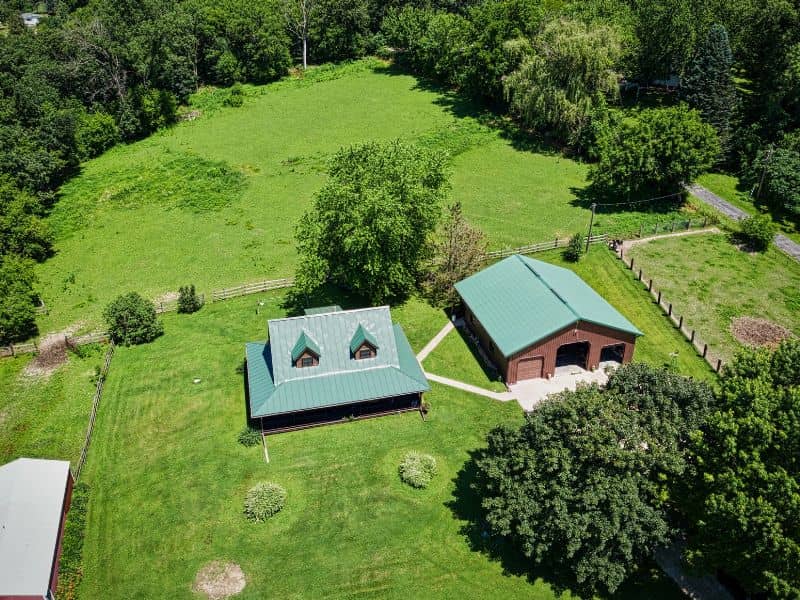
Most homeowners know roughly where their yard ends. Fewer know exactly where the line sits, what crosses it, or which parts of the lot they can’t build on. A residential survey answers those questions with measured facts instead of guesses, and that can save you from costly surprises later.
If you’re buying a home, planning an addition, or settling a question with a neighbor, the survey is often the first document worth checking.
How a Residential Survey Maps the Property
A residential survey starts with the legal description in your deed. The surveyor researches deeds, recorded plats, and neighboring records, then visits the site to find physical evidence like iron pins and concrete monuments. Those markers help the surveyor fix the corners and boundary lines of your lot.
The finished drawing shows each boundary line with a bearing and a distance. A bearing is the direction a line runs, and the distance is how long it is. You’ll also see the lot corners, the total area, and any markers the surveyor found or set. Together, these details show the true shape and size of the land you own.
This matters because deeds and old plats don’t always match what’s on the ground. Records can contain errors, and markers can get moved or buried over the years. The surveyor weighs all of the evidence and notes any conflicts on the drawing.
Locating Buildings and Improvements Across the Lot
Once the boundaries are set, the surveyor measures where things sit inside them. Improvements are anything built or added to the land. That includes the house, garage, sheds, decks, pools, driveways, patios, fences, and retaining walls.
Each item gets plotted with its distance from the nearest property line. This is where many owners learn something new. A shed may sit two feet over the line, or a neighbor’s fence may cut into your side yard. These problems are called encroachments, and they can affect a sale, a loan, or a future permit.
The survey can also show setbacks when they apply. A setback is the minimum distance a structure must stay from a property line. Setback rules vary by city, county, and zoning district, so ask your surveyor or local planning office which ones apply to your lot.
Identifying Access and Other Property Use Features
A residential survey shows how people and utilities get to and through your property. It can point out features that limit how you use the land, even though you own it. Look for these items on the drawing:
- Recorded easements for utilities, drainage, or shared driveways
- Road frontage and any public right-of-way along the street
- Visible utility lines, poles, manholes, and meter boxes
- Paths, gravel drives, or worn tracks that suggest someone else uses the land
An easement gives someone else the right to use part of your property for a set purpose. A power company may have the right to reach its lines, or a neighbor may have the right to cross your driveway. You still own that land, but you usually can’t build on it or block it. Some easements only show up in title records, so the survey works best when you review it alongside a title report.
What the Survey Reveals for Future Home Projects
Planning a pool, addition, or detached garage is much easier with a current survey in hand. It shows how much open space you really have once easements and setbacks are taken out. That buildable area is often smaller than owners expect.
Many permit offices ask for a survey, or a site plan based on one, before they approve new construction. Requirements vary, so check with your local building department early in the process. If your project sits close to a line, your contractor may also need the surveyor to stake the corners before work begins.
Older surveys can still help with early planning. Things change over time, though, including new fences, additions, and recorded easements. If your survey is more than a few years old or doesn’t show recent work, ask whether an update makes sense before you design anything.
Using Survey Information for Property Decisions
A residential survey gives you facts you can act on. Buyers use it to confirm they’re getting the land they think they’re paying for. Sellers use it to spot problems before a buyer’s lender or title company finds them.
When you review a survey, check a few things first. Compare the lot size and shape with the deed or listing. Look for structures close to or over a line, and note every easement. Then bring any concerns to your real estate agent, title company, or attorney before closing.
Survey findings can also help settle neighbor questions calmly. A measured line carries more weight than an old fence or a handshake agreement. This is general information and not legal advice, so talk with a real estate attorney if a dispute or title issue comes up.
Frequently Asked Questions
What does a residential survey show?
A residential survey shows your property boundaries, corners, and lot size. It also shows the location of your house, garage, fences, driveways, and other improvements. Many surveys include easements, setbacks, and visible utilities. The exact details depend on the type of survey you order and how you plan to use it.
How long does a residential survey take?
Many residential surveys take one to three weeks from order to final drawing. The timeline depends on the lot size, the age of the records, and the surveyor’s schedule. Properties with missing markers or conflicting deeds can take longer. If you have a closing or permit date, tell the surveyor up front so they can plan around it.
Can I use an old survey when buying a home?
Sometimes you can, but it depends on your lender, title company, and the condition of the property. An older survey won’t show changes made since it was drawn. New fences, sheds, or additions could create issues the old survey misses. Ask your lender and title company early whether they’ll accept it.
What is an encroachment on a survey?
An encroachment happens when a structure crosses onto land owned by someone else. Common examples include fences, sheds, driveways, and roof overhangs. The survey shows how far the item crosses the line. Encroachments can delay a sale or loan, so it helps to address them early with your agent, title company, or attorney.
Do I need a survey before building a fence or addition?
Many projects benefit from a survey, especially when you’re building near a property line. Some local permit offices require one, while others don’t. A survey helps you avoid placing a structure on your neighbor’s land or inside an easement. Check with your local building department to confirm what your project needs.